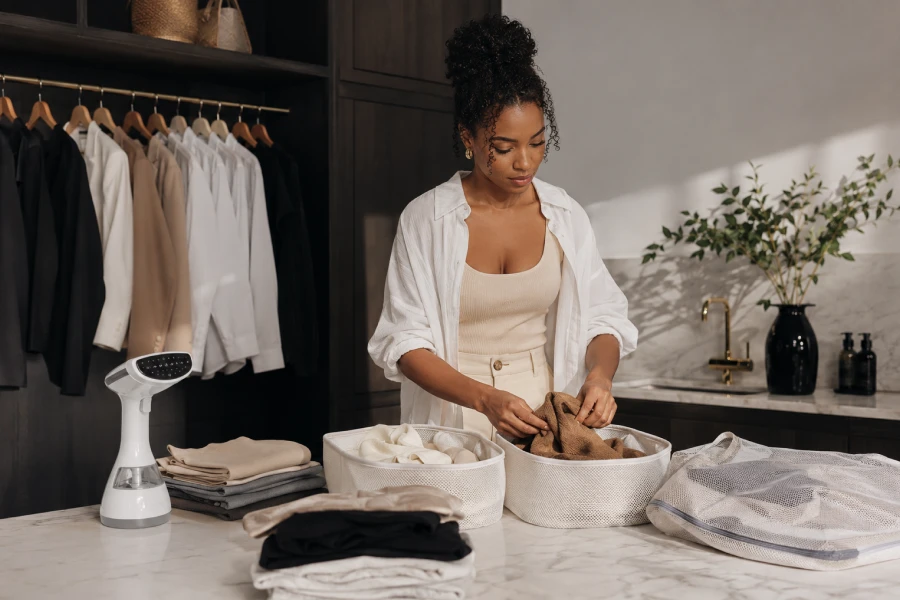
A reliable clothing care routine gives your wardrobe structure without making laundry feel complicated. It helps you care for what you already own before damage becomes visible. The process works best when it matches your real schedule, not an ideal version of your life. Busy mornings, late evenings, workouts, office days, travel, and casual weekends all affect how clothing gets worn. A strong closet refresh strategy creates order around those habits. Clothes stay cleaner between washes. Stains get handled faster. Delicates receive better protection. Your closet feels less chaotic because every step has a purpose.
The best routine is one you can repeat when life feels full. A perfect system that takes too much effort will collapse quickly. Start with your weekly rhythm. Notice which garments pile up first. Work shirts, activewear, denim, knitwear, and delicate tops usually need different timing. Choose one or two days for regular laundry. Reserve a smaller window for steaming, folding, or quick repairs. Consistency matters more than elegance.
A realistic system also protects your energy. You should not need a long decision process every time laundry appears. Place baskets where clothing actually lands. Keep mesh bags near delicates. Store stain treatment close to the hamper or machine. Create a small place for garments that need mending. These tiny setups make care feel automatic. When the process fits your home, you follow it more often. That is where lasting improvement begins.
Washing should begin with thoughtful separation. Color is important, but it is not the only category. Fabric weight matters. Soil level matters. Texture matters. Towels should not rough up smooth blouses. Jeans should not punish lightweight knits. Zippers should close before washing. Buttons should stay unforced. Delicate pieces need mesh protection. A smaller load often cleans better than an overloaded machine.
Detergent use deserves the same attention. Too much detergent can leave residue. Residue traps odor and dulls fabric. Cold water handles many everyday loads well. Warmer water can help with heavier soil. Harsh settings should not become the default. Use a gentle cycle when fabric needs protection. A smart fabric protection habits approach treats washing as a controlled process. Your clothes come out cleaner because each choice supports the garment.
Stains become harder when they are ignored. Fresh marks usually respond better than old ones. Blot first instead of rubbing. Rubbing can push pigment deeper into fibers. Cold water helps many fresh stains. Heat can lock some marks permanently. Oil needs absorbent treatment before washing. Makeup requires patience and a gentle touch. Wine, coffee, and sauce each need different handling. Quick action saves more clothing than strong scrubbing.
A stain station does not need to look complicated. Keep a mild stain remover, soft cloth, and small brush nearby. Add a clean towel for blotting. Avoid using random products that can bleach or weaken fabric. Test delicate materials carefully. Treat the garment before it enters the machine. Simple stain removal basics reduce panic. They also make your wardrobe feel more dependable. The faster you respond, the more likely the piece survives beautifully.
Drying can protect clothing or damage it quickly. High heat shrinks many fabrics. Tumbling creates friction. Elastic can weaken through repeated exposure. Dark garments can fade when over-dried. Knits can stretch if hung while wet. Structured garments can lose shape with careless handling. Remove items while they are slightly damp when appropriate. Smooth seams by hand. Reshape sweaters before they dry fully.
Air drying works well for many everyday pieces. Flat drying supports knits. Hangers with soft edges help shirts keep their form. A drying rack gives delicate pieces room. Avoid crowding damp garments together. Trapped moisture can create odor. Give clothing airflow and patience. This stage may feel slow, but it protects fit and texture. Better drying turns laundry from a cleaning task into real wardrobe maintenance.
Clean clothing still needs thoughtful placement. Put each garment back with intention. Group similar pieces together. Keep frequent outfits easy to reach. Fold sweaters instead of hanging them. Hang jackets on supportive hangers. Leave breathing room between delicate fabrics. Place seasonal items away from daily clutter. Store special pieces where they will not be crushed. Organization protects both fabric and decision-making.
A closet that supports care also supports style. You can see which items need steaming. You notice missing buttons earlier. You recognize when a garment no longer fits your life. You also discover outfits you forgot you owned. Practical wardrobe maintenance makes dressing less rushed. The return step matters as much as washing. A garment that goes back properly stays ready for the next wear.
Most care mistakes happen during rushed moments. People overload machines because they want laundry finished quickly. They use too much detergent because more seems better. They dry everything on the same heat setting. They wash jeans with delicate tops. They ignore pockets. They skip stain treatment. They leave damp clothing in a pile. Each mistake feels small. Together, they shorten a wardrobe’s life.
Better care does not require luxury equipment. It requires attention at the right points. Sort before washing. Use less heat. Treat stains early. Fold and hang with purpose. Keep supplies where you actually need them. Protect special fabrics from harsh settings. Repair small problems before they spread. Over time, your routine becomes natural. Your clothes look newer because your habits stop working against them.




Leave a comment